“That’s Not Your Publication, That’s Your Audience” and More from Dreamworldgirl Zine Founder Daphne Bryant
Blog Director // Leanna Florez
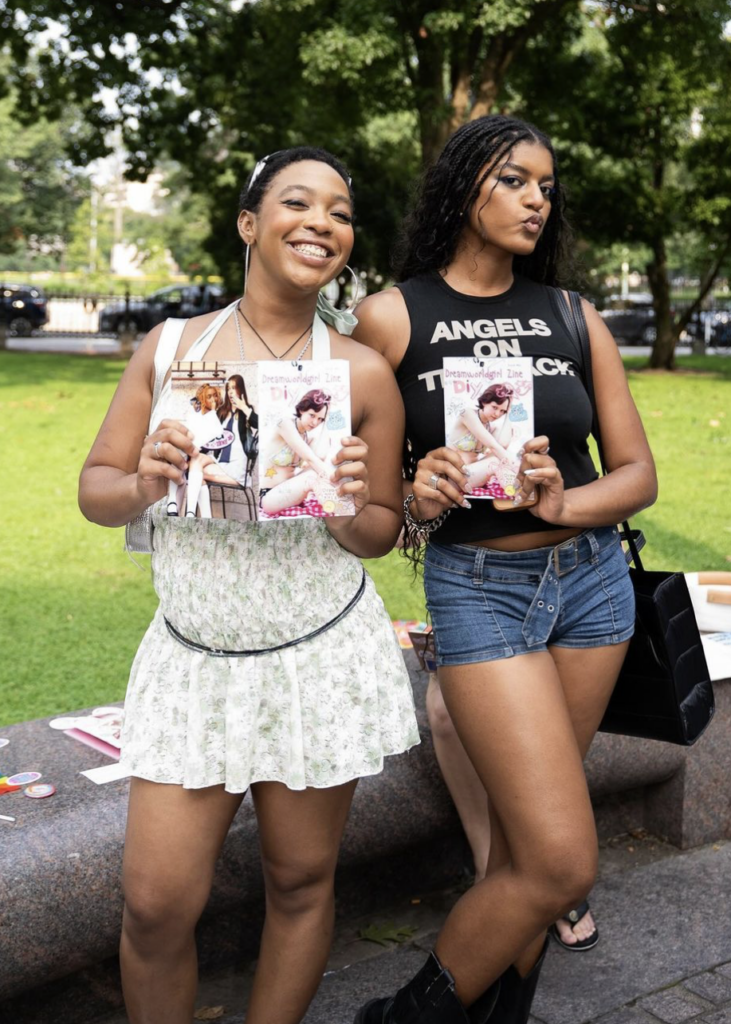
In the digital age, there is nothing we crave more than nostalgia and community. This is the core of Dreamworldgirl Zine, an independent multimedia publication centering on art by non-binary and women-identifying creators founded by Emerson student Daphne Bryant. From groundbreaking photoshoots to passionate poetry pieces, all of these can be found in an issue of Dreamworldgirl Zine in a fun, girly, y2k aesthetic package. I had the chance to chat with Daphne last weekend while she’s in ELA (Emerson Los Angeles) continuing to push her zine and creative vision into a wildly successful product, and it was a beyond enlightening conversation that ranged from a discussion on how to develop a niche magazine to a desire for more lesbian bars.
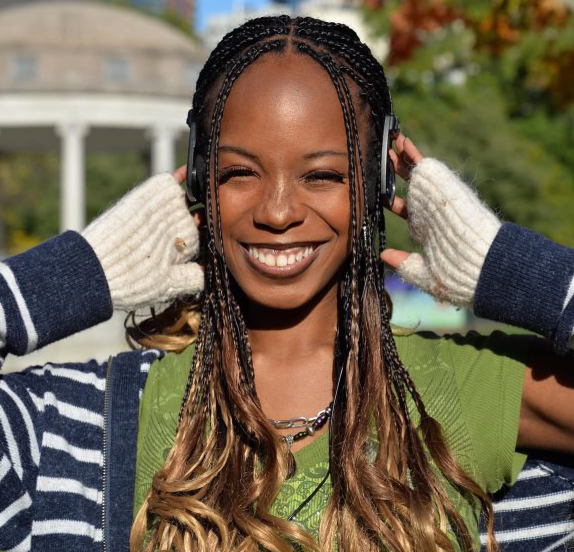
LEANNA FLOREZ: For anyone who doesn’t know, how would you describe Dreamworldgirl Zine?
DAPHNE BRYANT: So, Dreamworldgirl Zine is a multimedia publication—which is just fancy words to say that we do everything. We accept things like prose and poetry, so we have a pretty solid foundation in literary art, but we also really love photography, so a big part of our mag is the photoshoots and the videoshoots. We love art, we love music, any creative industry that you can do artistically, we’re into that. [Dreamworldgirl Zine] is centered around the idea of girlhood.
Sensing my follow-up question, she answered without me asking.
BRYANT: To me, or at least in the context of the zine, [girlhood] is pretty nuanced. There’s a recent TikTok trend in this past year that made girlhood super coquette-inspired, a lot of Lana Del Rey vibes, which is totally cool! Love that, whoever’s into that aesthetic, but that’s not what I wanted to go for at all. I was more inspired by the y2k aesthetic and late 90s-early 2000s [aesthetics]. I was born in 2003, [so] that’s a time I didn’t really get to live through as a teenager or an adult, and I feel really nostalgic for that time. I think a lot of people do. So to me, that was the perfect era to center girlhood in. The last thing I’ll say about the zine is it is intended to be for women and other marginalized gender identities. We really only work with women and non-binary individuals, which I think creates a really safe, unique space. It’s really whimsical and fun!
FLOREZ: That’s one of the aspects that attracted me to write something about it! Tell me about your personal creative process for the zine, what do you look for when you’re selecting content or thinking of photoshoot ideas that fit the theme and creative vision [of Dreamworldgirl Zine]?
BRYANT: I really like that question!
FLOREZ: Thank you!
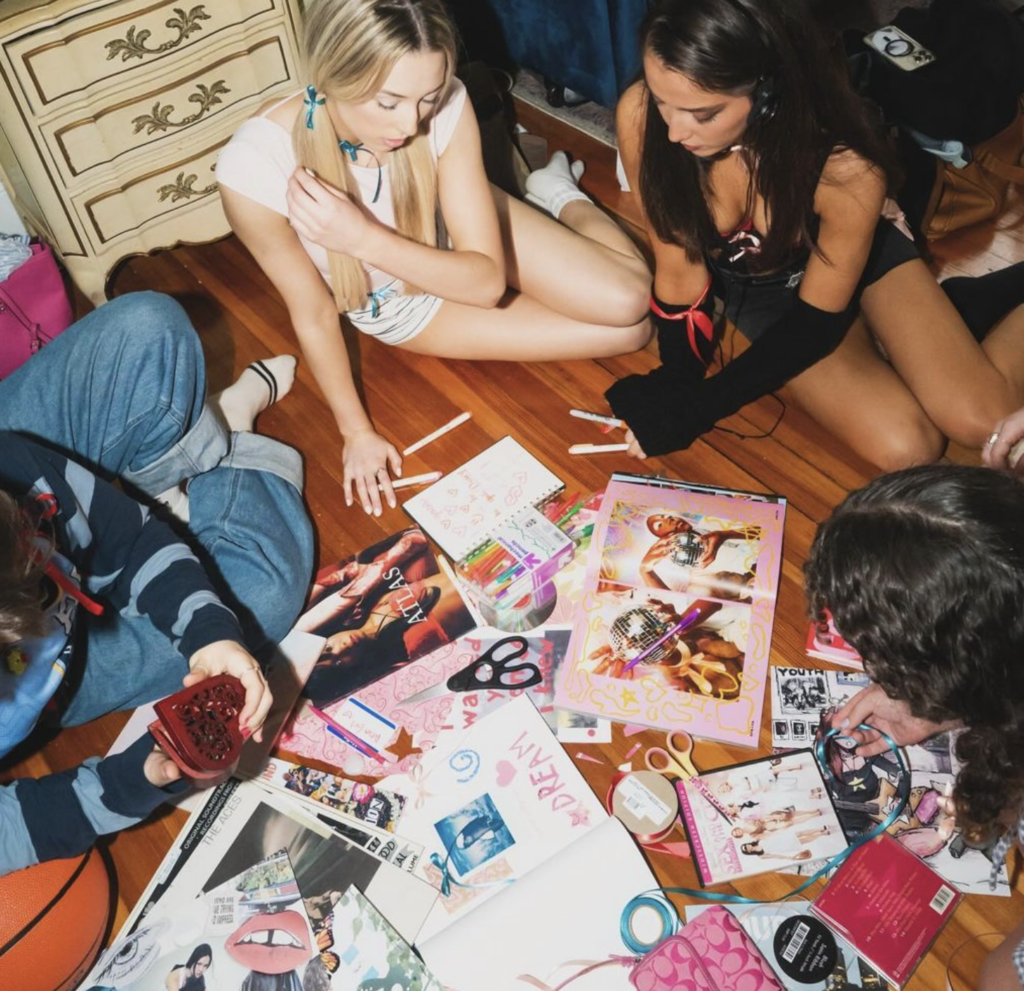
BRYANT: I’ll talk about the zine’s first issue. For the print issue, we open up submissions every October and every April, and those are always themed. The past theme was “DIY,” so it was kind of like a pretty general theme because we wanted it to be interpreted in a lot of different ways. “DIY” had this scrapbook aesthetic. Anything that gave a collage vibe, seemed to mesh together in an indie way, was attractive to us. Something that we always look for is non-traditional work, because one of the reasons I started the zine is that I am such a girly girl! I just love fun, queer, girly stuff! I would be sitting in my writing classes and I would feel like there’s no space for it. That’s what I want more of. But that’s not to say that a super well-written literary poem isn’t going to get into the issue, but I think anything that’s a little unconventional or something you don’t usually see in academic settings—I think that’s really cool to me and my team. As far as my process for choosing those, I have a team of readers. So once we get all of our submissions, I send them to [our readers], and I say, “Hey guys! These are your assignments, give me feedback, let me know your thoughts.”
FLOREZ: Do you as the founder read all of the submissions before you send them out?
BRYANT: Yeah, by that point I’ve already read all of them, but I want to hear different perspectives from other people too, so that I’m not biased. We choose a maximum of twenty-five pieces, and then we format them all together. As far as the creative process for photoshoots, which I feel like people are always really curious about, they’re so fun! I’m at Emerson about to graduate, so I worked on a lot of student magazines when I was on the Boston campus, so that helped me see the photoshoot process. I worked on Your Mag and Atlas Magazine, shoutout to them, so I got to see the behind-the-scenes process. It made it a lot easier to implant those systems into the zine. Usually what will happen first is that I’ll look for a photographer. That’s one of the most important things is finding someone who can really take good photos, because I’m not great at photos, so I’m always looking for a photographer, either from my friends or from people who reach out [to the zine]. Then I do the creative direction for [the shoot] which usually involves creating a Pinterest board. I love Pinterest so much, so I’ll create one of those, and I’ll find different aesthetics and different people and different clothes that I feel go with the vision.
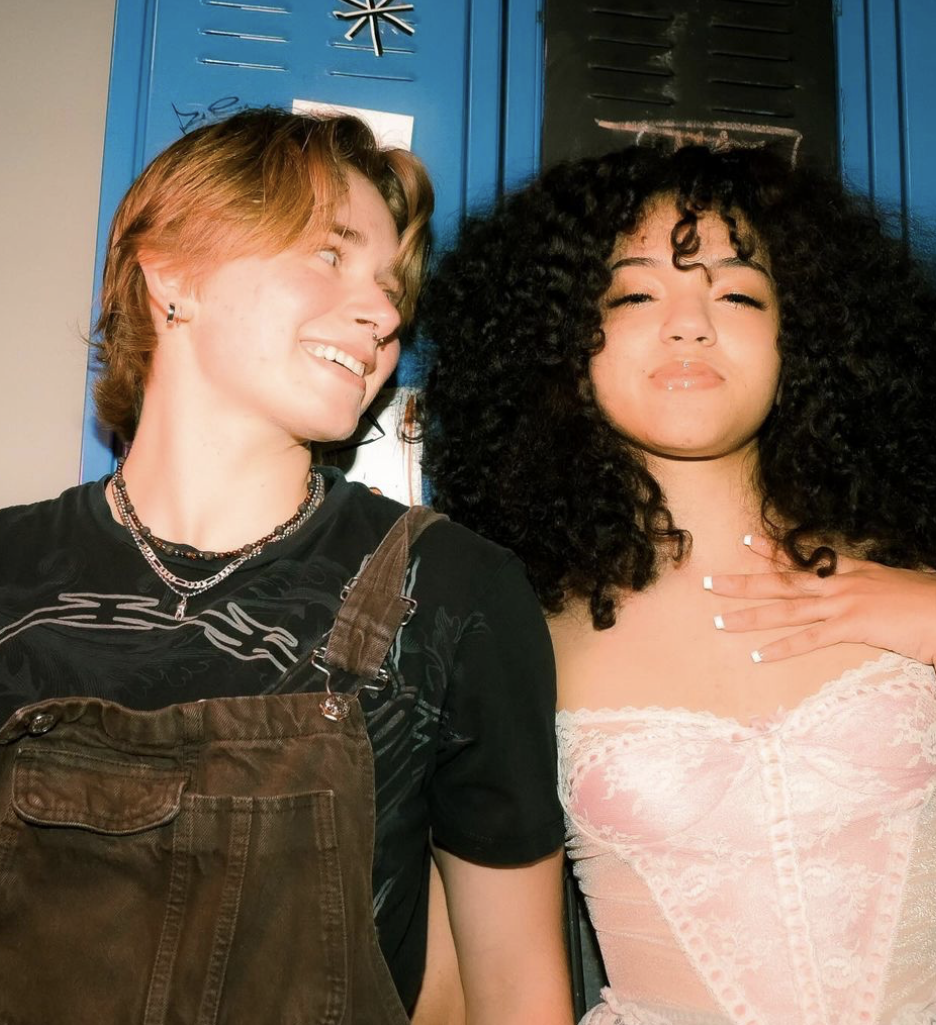
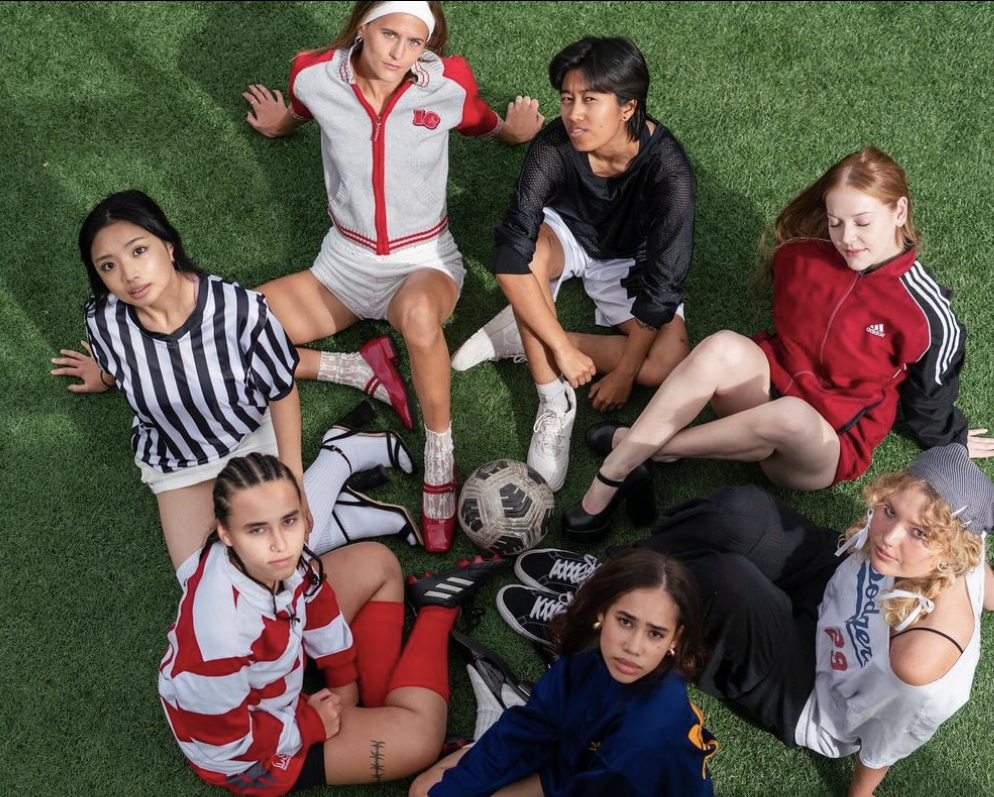
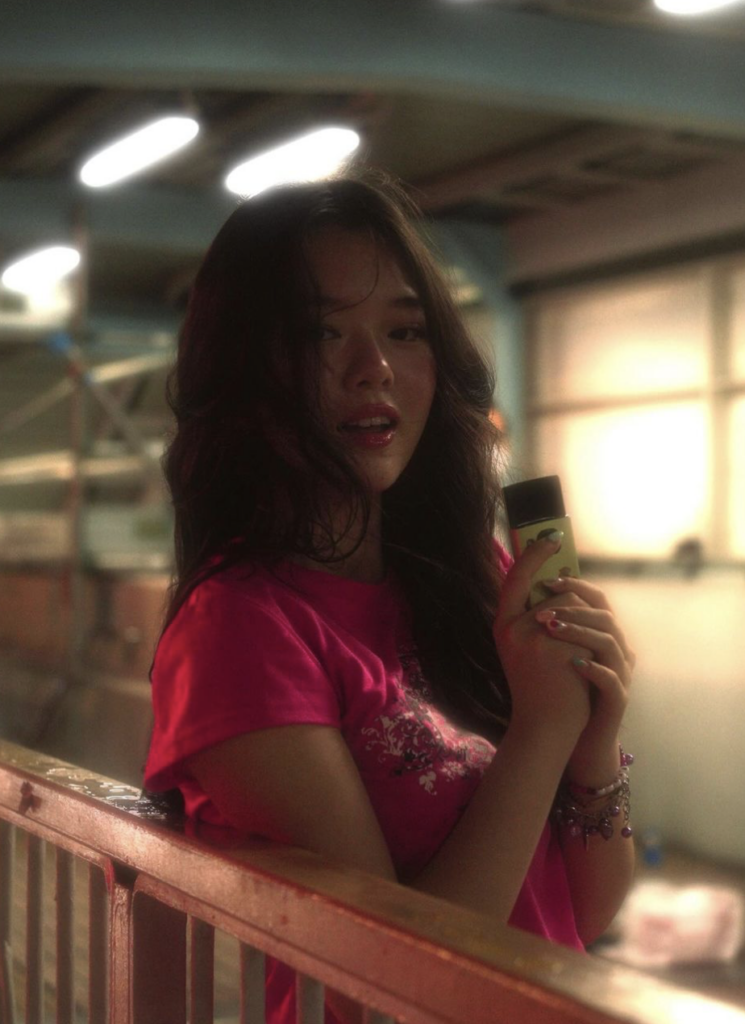
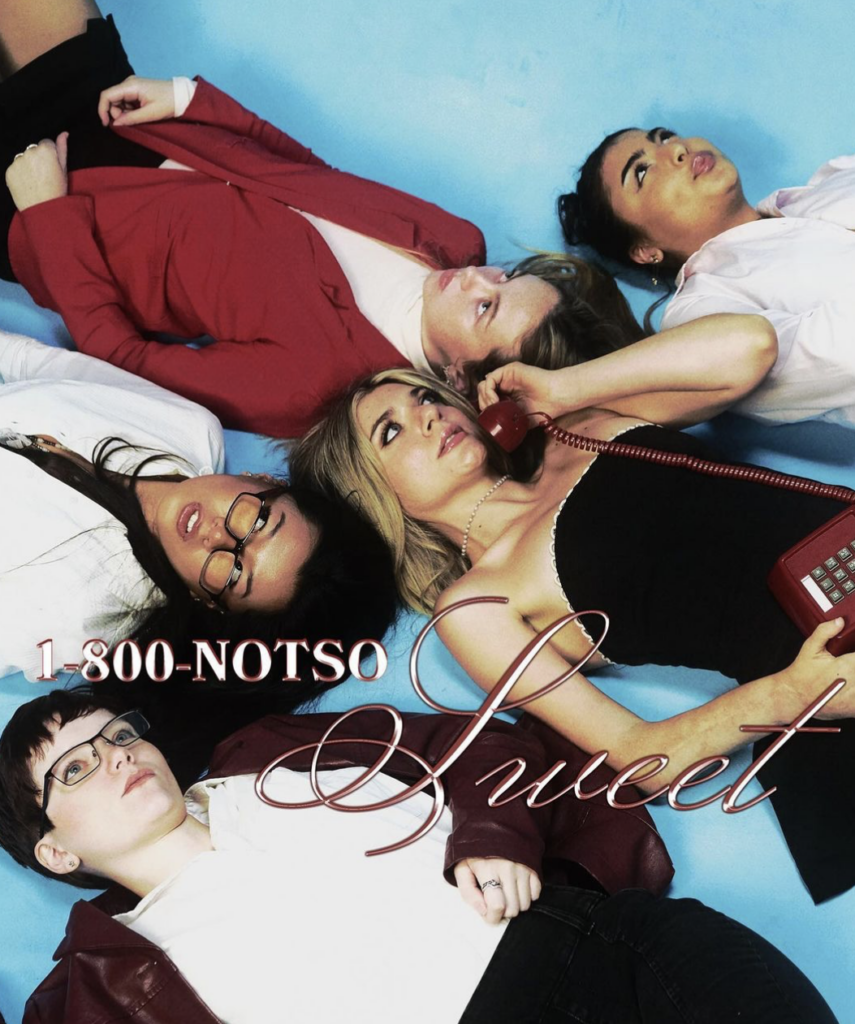
BRYANT: Once we have the creative direction and the photographer, we typically look for models. For models, we will typically open up model calls. Honestly, that’s something that we’ll probably stop doing for the next issue because [the zine] has gotten way bigger than I thought it would. I’ll probably just make a database and use those people. For now, we do model calls, which means that we open it up to literally anyone in the area who wants to model for us. Once we select the models, we do styling next. Sometimes the models will style themselves, or I’ll bring on a stylist, and that’s really fun because we get to mix their personal styles and preferences and push boundaries and do things that fit with the shoot idea. The most recent shoot we had in Boston was so cool. The person who creative directed for it, she’s the soccer captain at Emerson for women’s soccer, and she’s an amazing athlete and so creative. She came to us and was like, “I feel like people think about Emerson athletes and they have this stereotype in their head about what we’re like, and that we’re not capable of doing things that the creative writing majors or film majors do.” And she just wanted to be fun, creative, and sexy with other student athletes. So we put them in baggy shorts and heels, because you typically don’t see that kind of thing. Then we do the shoot, and we just have fun with it! It’s very spontaneous, it’s very DIY, just like the nature of zines. We just go with it, and for some reason, the photos turn out really awesome.
FLOREZ: They do! They turn out so awesome. You guys produce some really great work. And I hope you know it’s getting recognition all over campus. I was mentioning to a friend today and telling them that I was interviewing you, and they were like, “Oh my God! You’re gonna talk to her? That’s so cool! I look at that Instagram page all the time, I was just on their website in class.” Like, you’re a household name here and so is the zine!
BRYANT: Really? That’s so funny, it makes me sound so Emceleb.
FLOREZ: Literally! Anyway, back to the actual thing we’re doing. You talked about a lot of themes of girlhood, early 2000s aesthetic, women-filled space—what are the themes that you feel resonate with your readers or people who engage with your content the most?
BRYANT: Oh my gosh, another good question.
FLOREZ: Thanks!
BRYANT: I really do, I really like your questions! But yes, let’s see… The zine inherently is like, super queer. It’s just really gay! So we post a lot of gay articles on the blog, I remember we posted this one about a masc lesbian that competed on America’s Next Top Model. Anything that’s queer, people eat that shit up. We have so many gay photoshoots coming up, I just finished the casting for a boyband shoot where it’s only masc lesbians. Like, who is not gonna love that? So people really enjoy queer visibility. The fashion is also a huge aspect of what draws people to the zine. We started this new series on our Instagram story called “Cop or Drop” which is when we find some 90s or early 2000s icon, like Jessica Alba or Paris Hilton, and we show all of their outfits with a poll that says “Cop or Drop,” to say if you would wear it or not. Those get a ton of engagement. There’s definitely more, like the collabs. We work with a lot of musicians, who are mostly up and coming, who are also really passionate about girlhood as a theme. That definitely draws a lot of people in. So those are the top three things I would say, especially the queerness aspect, like getting to see gay people be happy.
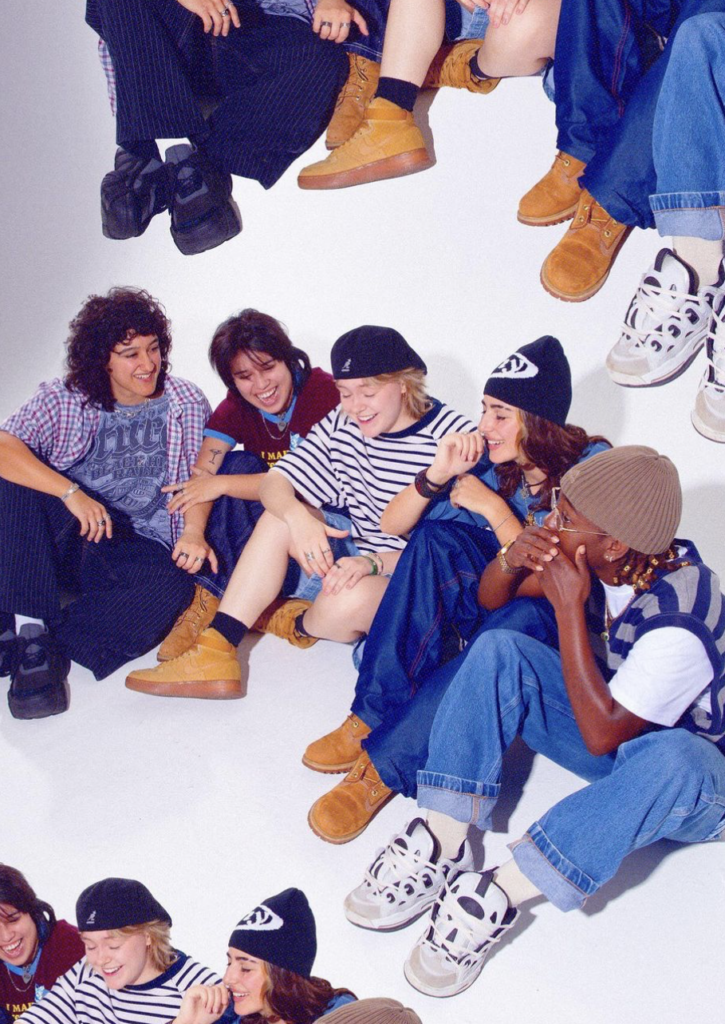
FLOREZ: So real, there’s not enough media where you see gay people just being happy. Why do we always have to make them suffer?
BRYANT: Exactly! But yeah, and the fashion, people just like seeing cute clothes! Especially in Boston—not to dog on Boston, Emerson is an exception—but it’s not the most creatively stimulating city. I think people, when they saw a zine that showed how they dress, it was fun for them.
FLOREZ: Absolutely. Now we’re going to shift and talk about you as the founder. What were you most afraid of when you decided you were going to start your own zine?
BRYANT: Okay, I have a two-part answer to this question. Sorry if my answer is long, at least you have content to work with. The one thing I was most scared of was people not liking it. I’m such an impulsive person, in general, which is how the zine started. My girlfriend at the time, I told them I wanted to do it, and a day later, I just made the account. So I was excited, I didn’t have a lot of fear about actually doing it. But, I was super conscious of how people were going to perceive it. I just hoped people would like it and not think I’m cringy or think I’m stealing from someone else, I just wanted people to like it really bad.
FLOREZ: And they do!
BRYANT: Yeah! Crazy! It was also a really strange time to be doing anything for personal gain, because at the time, like literally the day after I posted the first photoshoot pictures for the zine, the arrests happened on campus. Things just stopped. I was like, “I need to lock the fuck in, I need to be here for my friends, for this cause that I care about, for this school that is struggling.” It was a weird time. So I just thought that [the zine] would be a little thing I do over the summer, it probably won’t go anywhere. That was what I was scared of.
FLOREZ: That’s very valid, it was an insane time, and I think we all still feel it on campus now. Speaking of the present, are there any challenges or fears you have for the zine now?
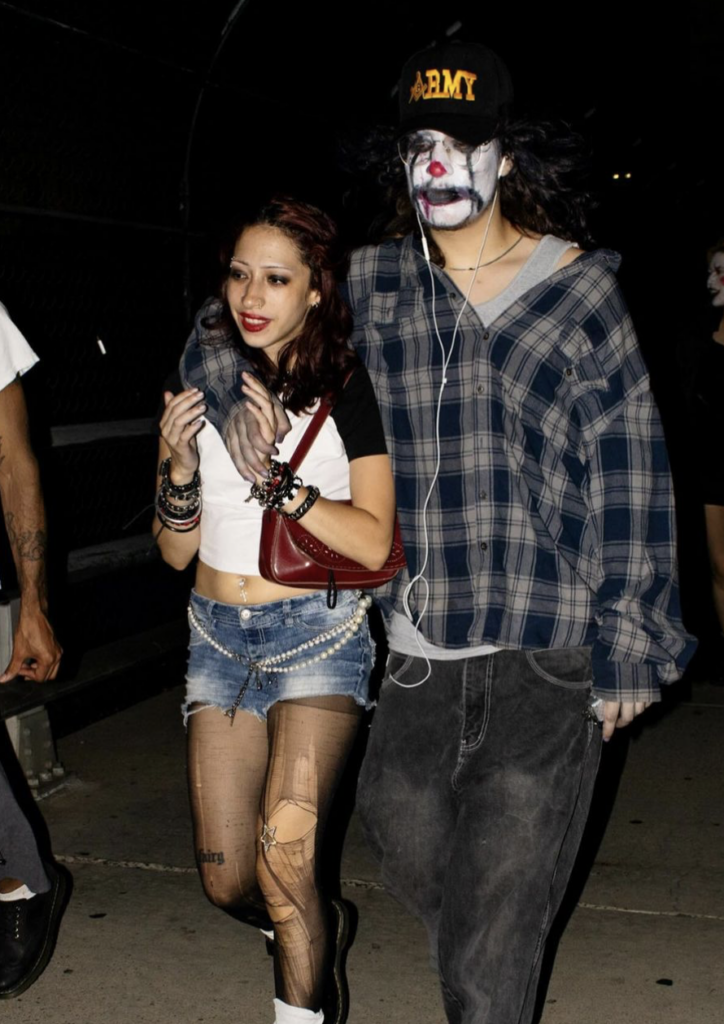
BRYANT: A challenge that I’m very conscious of is money, because we’re independent, which means that we’re not associated with a school or another organization. It literally just came out of my head and I started doing it. So all of the funding we get is from donations or sales—which is great, because we have personal freedom, we get to do what we want without having to worry about something like the policies Emerson has put in that are extremely limiting on student voices. But yeah, we’ve profited a good amount since we started, but it’s still scary, because a week later people could decide that they don’t fuck with us anymore. And it would just be over!
FLOREZ: Yeah, that’s a valid fear. Being independent is freeing and limiting in its own ways. I’m sure my next question is predictable, but is there anything about starting your own zine that makes you feel hopeful? What gets you really excited about being the founder of this project?
BRYANT: Oh, so much. I’m going to not try and say a million things.
FLOREZ: Say a million things! I want to hear all of the things.
BRYANT: I’m just so hopeful! One thing I really like about [being the founder] is the in-person community aspect. We threw a launch party for our first issue last month in Boston, and that was the first time we had done an in-person event. We did vending at a market the week before in a park in Brookline, it was super chill. There were maybe, like, five people that came to our booth and it was mostly old people. And they were lovely! But [the launch] was the first event specific to Dreamworldgirl Zine, everyone who was there was there for Dreamworldgirl, or for Sustainable Swaps, the organization we partnered with. It just felt very much like our thing. It was so cool, there were people coming up to me that I had communicated with online but didn’t really know, and they would come up to me and be like, “You’re Daphne! I’ve been wanting to meet you! I think the zine is so awesome!” And then they would meet other people through [our event]. Two people that I hired for the event ended up meeting that day and are now best friends.
FLOREZ: Oh, that’s awesome.
BRYANT: Yeah, it’s so cool! That is like all I could hope for. That’s what I wanted to happen with this zine. Some magazines are harder to build community around, but girlhood is such a communal idea that inherently, people just want to come together for something like that. That’s one of the coolest things, when we have events like the market I just did in LA or the launch party, and people are meeting each other. They resonate with me, they resonate with the zine, and I’ve never met them in my life. Like, they’re literally across the country! That’s an impact that I can’t really fathom, but I’m really hopeful for the future if we grow and continue to do more things… Dreamworldgirl Nation. That’s what I like to call it.
FLOREZ: I love that, it’s so true.
BRYANT: I just want people to be like “Oh that’s my favorite mag, I love everything that they do.” Another thing I’m hopeful for is… I would love to pay people better. Right now, I pay my staff and my contributors because I can. Because we just make—oh, I sound so braggy right now—we make enough money that I can pay all of my staff members, of which I have twelve. Last season, I paid them $8-$10 each, and contributors got $5-$10, and we had twenty-five of those. So, do the math on that! And that was only a fourth of what we made. Why would I gatekeep all of that money? Like, I created it and I’m running shit, but it wouldn’t be possible without the readers and the contributors and the editors and the marketing people and the models, so if I can give back, I’m gonna do that. What I would love is if in the future, I could pay them even more, maybe bring on part-time people, make this a full-time thing for me…
FLOREZ: That’s the goal, isn’t it?
BRYANT: Yeah, like there’s this one zine I idolize called Polyester, and they’re so cool. Granted, the editor has been in the business for ten years, so it might be a while before I get to that point. But that’s her thing! She just runs her zine and she does all of the executive stuff for that, and that’s where I wanna go. And I want to be able to give other people jobs, crazy as that sounds, but being able to give people the opportunity to be employed by a zine, that’s where I want to end up.
FLOREZ: With the nature of zines, people have been saying that print is dead, or publishing is going all digital. What would you say is the role of a print zine in the current publishing landscape?
BRYANT: For me, I’ve always loved print so much. I was so excited when I got to Emerson and saw that they were making print magazines. I think what’s really awesome about it is that it’s tangible. Being able to pick up a zine, look through it, flip the pages, sit down and read it, all while not staring at a phone screen—there’s something really special about that. Especially because we’re moving into an era where [that experience] is less prominent all around.
FLOREZ: I notice it a lot too with reading in general, the rise of ebooks and audiobooks. That’s not to say it’s a bad thing, because a lot of the times those formats are a lot more accessible.
BRYANT: Of course! But yeah, I notice people reading on their phones now, and the general trend is that people aren’t interested in the physical aspect [of reading] anymore. But a lot of people are, because at the same time that a lot of things are becoming digital, we’re also seeing a resurgence in print. Like, I think J-14, if you remember that, they’re coming back! They started making print zines again this year, which is crazy, because so many magazines went out of business in the last decade. I think that now, people are starting to realize, “Holy shit, technology is really taking over the world and our lives, and I just want to sit down and be able to fucking read something again.”
FLOREZ: Is that where the nostalgia ties in?
BRYANT: Yeah, it’s absolutley nostalgic. What a lot of people have told me about the zine is that it feels like they’re a kid again, but in a more realized way and actionalized way. Part of that is the aesthetic, which is a lot of people’s childhood, but the other part is they see an organization doing a lot to create community.
FLOREZ: Which there is an extreme need for in the face of “holy shit, technology is taking over the world,” because that community is what makes us human.
BRYANT: Yes, yes! That is the role of print zines. And I want more. I hope people are like, “What Daphne’s doing is pretty cool, and I want to do it.” I want a million zines on my bookshelf.
FLOREZ: Me too! When I went to the castle, I started a zine collection. I tried to get one from every country that I went to, and I’ve now amassed this little collection. And don’t you worry, there’s a Dreamworldgirl in there. It’s so fun to have something print that you can look at and it helps you reminisce.
BRYANT: Absolutely, that’s so cool and important.
FLOREZ: It is! Why do you think that the zine industry is so important specifically for Dreamworldgirl’s target audience?
BRYANT: I have so much more research to do on the history of zines, but from what I’ve gathered, zines have been used a lot as a form of rebellion. I think about zines like Riot Grrrl, which is part of what’s inspiring our second issue. It really resonates with the youth because it’s about subverting tradition and making super niche communities and spaces. As big and as visible as queerness has become in recent years, it is still a small community, which I feel like a lot of us forget. It’s why when people see something that’s queer or gay or sapphic or whatever, they’re like “Oh my God I need it right now.” I’ll consume the newest sapphic media immediatley. The newest lesbian bar just opened in Boston and I heard the line was three blocks long. That’s because we still very much need those spaces because at the end of the day, we’re still a minority. So when people see those super niche spaces, they’re need to have it. The zine has that kind of energy to it. It also goes off of the punk, super DIY vibe, that’s something that I lot of people are into and have been into in every single generation. It’s not just Gen Z, but in our generation, we just need more spaces to express this.
FLOREZ: The difference is that a lot of our spaces are virtual, so we lack the community aspect of punk sometimes.
BRYANT: Yeah, so much of it is online now. I felt lucky, because when I came out two years ago—well, this is a pro and a con. But I had TikTok when I came out, so I was able to research anything, and any question I had, there was some queer person who had made some kind of content about it on TikTok. There’s a lot of queer people who are very vocal about who they are on that app, which inspired me to be really vocal about who I am. So that’s great, but then you think about in-person spaces, which are lacking, especially for queer women and non-binary people I fear. Gay men, sorry to say it, but spaces are disproportionately made for them.
FLOREZ: Especially white gay men.
BRYANT: Oh yeah, even less for anyone BIPOC. So… I’m saying this all to say that when people see that our zine doesn’t discriminate based on race, gender, or sexuality, it’s pretty cool. And that probably answers the question.
FLOREZ: It’s so real what you’re saying, because a lesbian friend of mine tried to go to the new lesbian bar in Boston, she waited for two hours in line and then left because she just wasn’t going to get in. It’s the only club space in Boston for lesbians, and this problem could just be solved by having more fucking bars.
BRYANT: Just have more!
FLOREZ: Yes, like the market is there! It’s three blocks of a line there! I promise!
BRYANT: Literally! No, because let’s talk about this. I’m in LA right now, and I have this one bar that I’ve been going to a lot because I love the vibes in there, it’s called Honey’s. And it’s not the only lesbian or sapphic bar or club in LA, so there are times that I’ve gone there and there’s no line, so you just get in, no cover. You just waltz right in and you’re with a bunch of other queer women and non-binary people. It’s awesome to have options. Like it’s great that Dani’s exists, but you’re so right, like, give us more. We deserve more.
FLOREZ: It’s so true. Okay, final question, a basic one, but what is one piece of advice you would give to someone who wants to start their own publication?
BRYANT: The first thing I’ve been telling people is to have a niche and a unique concept. That sounds really simple, but it’s actually not. Once you get into the zine community, you see the different magazines that are circulating online, we’re mutuals with a lot of them. So many of them are so general. They’re concept will be, “We want to make space for queer voices” or “We are here to celebrate Black voices” or “We are here for young people.” That’s great, but that doesn’t tell anyone about your publication, that’s just your audience.
FLOREZ: Wow, that’s a great line, “That’s not your publication, that’s your audience.” Sorry, continue.
BRYANT: Thank you! So, you want to be thinking about, “What can I do with my concept to differentiate myself from others?” You want to think about what makes you special. So for me, it was tapping into a time period. Y2K is our aesthetic. You don’t have to have a time period to have a zine, but it helps. I’ve seen 70s and 80s themed mags, those are really cool. For the DIY punk vibe, we follow this one magazine called Femicide Zine, and their whole thing is 90s DIY punk zine. It’s so specific. You go onto their page, and you see their feed, and you know exactly what kind of person is submitting to the zine and what type of person is reading the zine. That’s what you want to do. You want to create a brand for your publication, because then it’s easily recognizable. Another thing you want to do is think about tone. For any writing people out here, you’ve heard of tone for writing! Tone can be applicable to pretty much anything. It’s the same for entrepreneurship in terms of the vibe you want to give off. For us, it’s campy, cunt, gay, whimsical, but other mags are very serious, elegant, refined, demure. That’s a vibe I love, because even though it’s not my thing, I see that and I know who they are. They’re catering the tone of their publication to one mood. The last thing for getting a niche is figuring out what medium you want your publication to be in. Sometimes, you’ll think a certain medium doesn’t fit, but it does. There’s this one magazine based out here in LA, called Dye It Red, and they’re only in print. Their issues are very limited edition, so you’re not going to find it online, you have to buy a print issue. It creates a very cool exclusive vibe, which works, but there are also mags that are only digital. It’s partly an expenses thing, of course, but that’s something you have to think about, and you should know that before you decide to start your mag. Because if you know that, and you know what you want people to get out of your publication, then they’re going to be able to catch onto that so much quicker.
The upcoming issue of Dreamworldgirl Zine is now accepting submissions on their theme, “Bitter”! Be sure to follow them on Instagram, TikTok, and other socials to learn more about this amazing zine and stay updated on the work they’re doing.
so cool, thank you for this!